A historic estate
The Villaine family in charge
Traces of winemaking on theVillaine Estatedate back to the Middle Ages. The monks of Cluny Abbey, inBurgundythey were already cultivating thereAligotéIn 1971,Aubert de VillaineHe actually acquired it. He then began an ambitious project to develop the terroirs of the Châlons region.Bouzeron,he worksAligotéon the same footing as thechardonnayand thePinot Noir.He handed over the reins to his nephew in 2003 in order to fully concentrate on his second area of expertise: the world-famousDomaine de la Romanée-Conti.
Pierre de BenoistHe takes up, extends, and refines the work begun by his uncle. The estate continues its expansion with new acquisitions. In 2015, the vineyard expanded onto twoPremier Cru vineyards of Rully: Margotés and Montplaisir.
Cultivating the vine and tradition
Aligoté is king
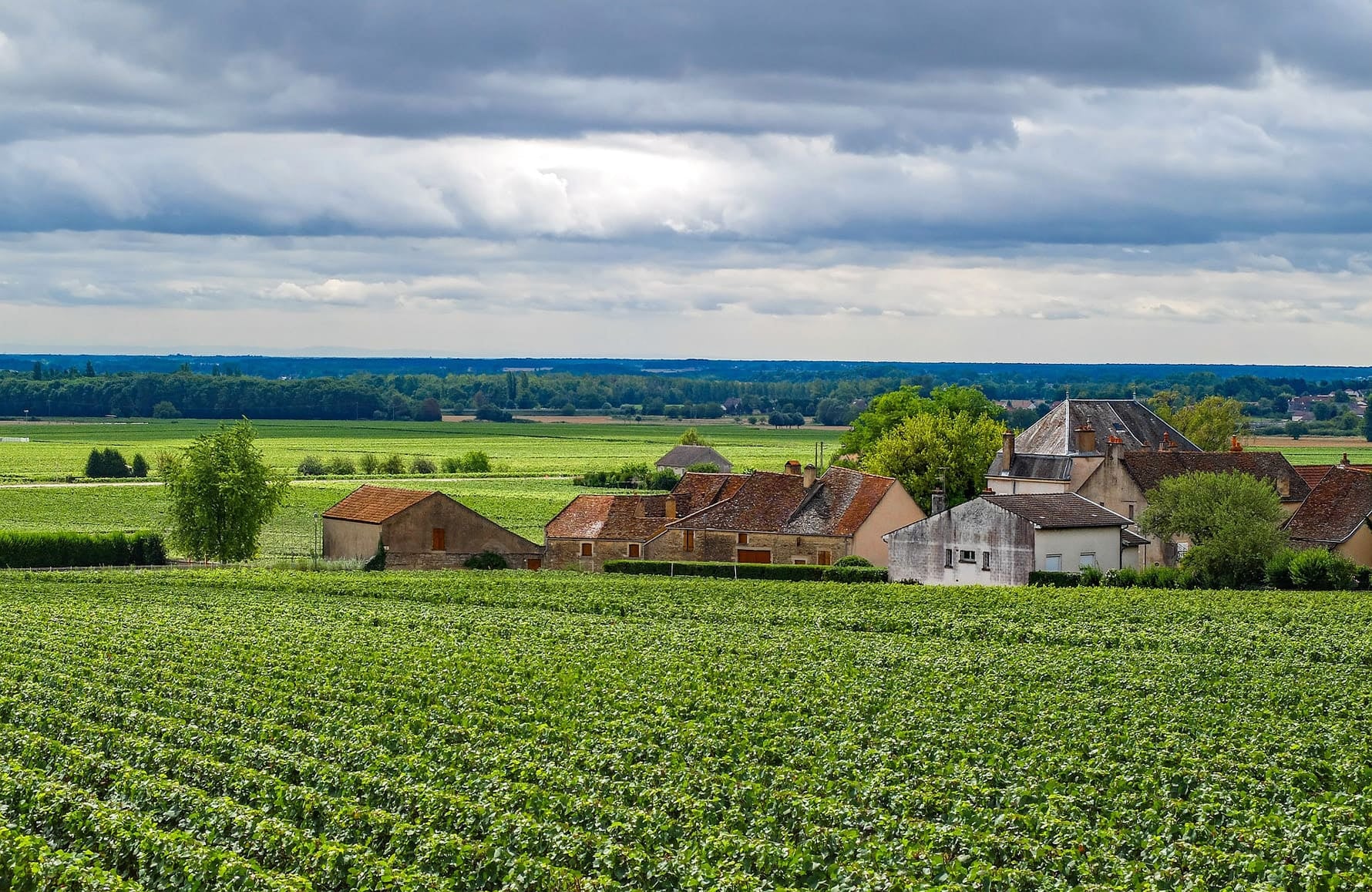
AroundBouzeron, first village of theCôte Chalonnaise, THEVillaine Estateextends over 24 hectares of vineyards. The majority consists ofchardonnayAndPinot Noir.The rest is grown onRully,Mercureyand of courseBourgogne-Aligoté. L'aligotis typical of the region and is particularly fond of the local produceBouzeronThis grape variety was compared by Abbot Claude Courtépée, an 18th-century historian, to the freshness and tension of wines fromChablisfromchardonnay.Aligotéis selected, moved from the fertile plains to the hillsides and vinified with the greatest possible care.Aubert de Villainesucceeded in restoring the prestige of this white grape variety and the appellationBouzeronwas recognized in 1997. In the vineyard, the estate team strives to vinify healthy grapes at the peak of ripeness.Villaine familyestablished an agriculturebiologicalsince 1986. The estate is certified byQuality Francein 1997. In addition to organic farming, the grape varieties are planted and selected with the utmost care.
Winemaking and wine style
Great white Burgundy wines
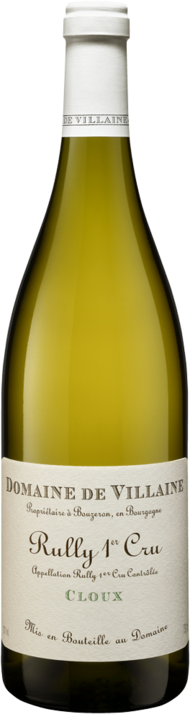
Pierre de Benoistis therefore now in charge of the estate. He applies the work ethic passed down by his uncle. This involves hand-harvesting, very selective sorting, and natural winemaking. In the cellar, vinification and aging take place in vats, large casks, or barrels depending on the plots and vintages. The aim is for each terroir to express its specific characteristics. In exceptional years, up to 70,000 bottles ofBouzeronThis one is remarkable and has incredible aging potential.Villaine estateWe have selected wines from the appellationRullyincluding two from the 2015 acquisitions:1er Cru Margotés and 1er Cru Montpalais.THE1er Cru GrésignyIt comes from very old vines, it is very ripe, oaky, and incredibly refined. The wines produced today demonstrate finesse and delicacy; they are among the finest.great white Burgundy.