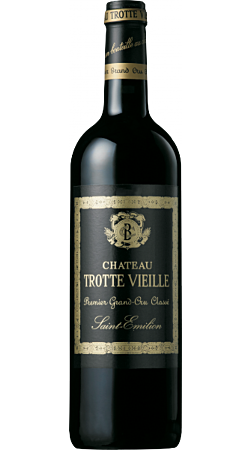
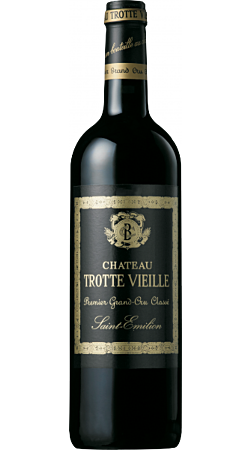
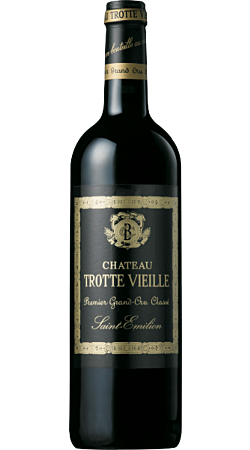
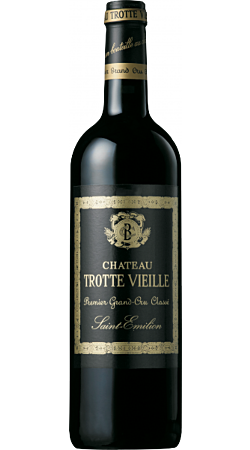
The curious story of the Château Trotte Vieille
FROM THE 15TH CENTURY TO THE BORIE-MANOUX FAMILY
The name of the Château comes from an anecdote dating back to the 15th century. Many stagecoaches used to stop at intersections not far from the château. Taking advantage of this pause in their journey, an old woman would approach the drivers to ask for news from France. In homage to this remarkable woman, the estate would be namedOld Trotter.
Many owners have been keen to develop the Château's winemaking activity.Borie familyThe famous Bordeaux family decided, following the Second World War, to split into two separate entities. It was from 1950 onwards that theBorie-Manouxacquire theOld Trotter Castle.
He is the director todayPhilippe Castéjawho is in charge and who tirelessly works to develop the Château's activities in France and abroad. These efforts will pay off, and the wine produced at the estate will be placed among theFirst Growth Classified B
The secrets of the Saint-Emilion terroir
FAVORABLE CONDITIONS FOR GREAT WINES
It's on the right bank of Bordeaux, in the village ofSaint-Emilionwhere is theOld Trotter CastleThe 10 hectares of vines are home to the three flagship grape varieties of the region: Merlot (55%), Cabernet Franc (40%), and Cabernet Sauvignon (5%). The vines are planted on the hillsides, which provide the vines with natural and optimal soil drainage. They are planted in a vineyard composed of reddish soil over limestone bedrock. These characteristics allow the grapes to reveal all the freshness of the Saint-Émilion terroir. The climate is temperate with oceanic influences. The vineyard is particularly famous for having pre-phylloxera plots, including some century-old vines. The average age of the vines remains at 60 years. The winemaking teams ofOld Trotter Castleensure meticulous maintenance of the vines.
The expertise of a great castle
PREMIER GRAND CRU CLASSÉ B
After a meticulous hand-harvesting process, the grapes are sorted, destemmed, and placed in temperature-controlled stainless steel tanks. Maceration is followed by fermentation, which lasts between 15 and 20 days. The Château specializes in producing micro-cuvées to reveal the unique characteristics of each grape variety. Under the guidance of the cellar master,Christophe DussutourThe wines are then placed in French oak barrels. These are renewed annually to ensure perfect exchange between the wood and the wine. After 12 to 18 months of aging, the wines are blended. With the support of renowned consulting oenologists, such as Denis Dubourdieu until 2016, the Château offers two types of wines. Trotte Vieille, available only in red, comes in:Premier Grand Cru Classé BAs a second wine, since 2002, namedThe old lady of Trotte Vieille, in homage to the woman who would inspire the name of the domain.