
Domaine du Fief Noir
Learn more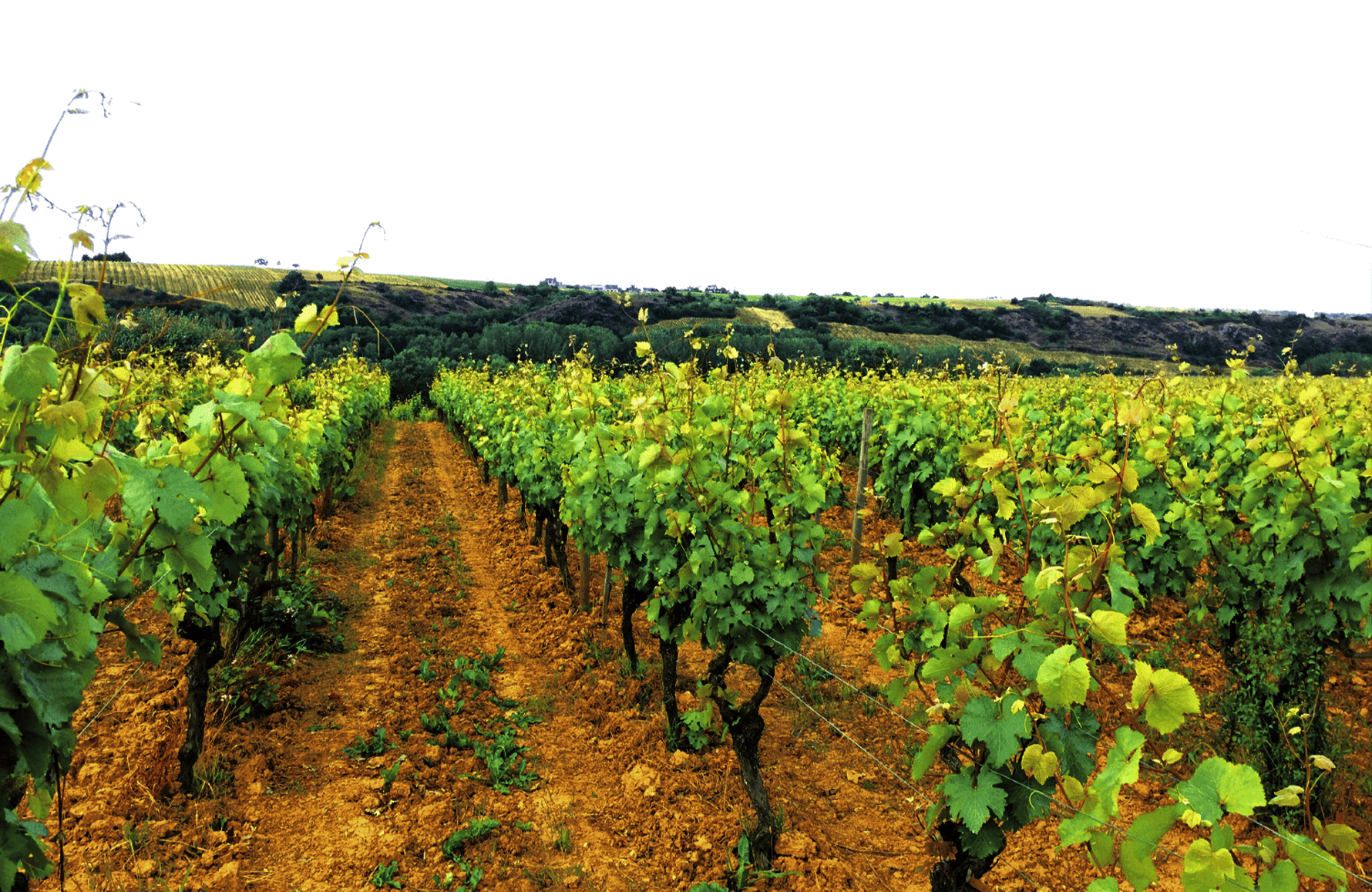
No products found
Use fewer filters or remove all
History of the Estate Domaine du Fief Noir
The history of the Domaine du Fief Noir
Two friends who dreamed of being winemakers
THEDomaine du Fief NoirThis is first and foremost the story of two friends who dreamed of becoming winemakers since childhood. Dominique Sirot and Alexis Soulas met during a shared experience at a Corsican estate where they both worked for several years. Yet nothing predestined them for a career in wine. Dominique was studying history at university, while Alexis had just finished his studies in agronomy.
Very quickly, the idea of founding an estate together emerged. So, in 2014, they decided to settle in Anjou with their wife and child to begin their adventure. It all started with the purchase of old vines at Domaine des Chesnaies. Since then, they have passionately cultivated 11 hectares of vines with the utmost respect for their terroir. They even obtained organic certification with their first vintage in 2015. Subsequently, in 2017, the estate was renamedBlack Fiefin homage to the terroir of Anjou Noir.
The terroir of Domaine du Fief Noir
In the heart of Black Anjou
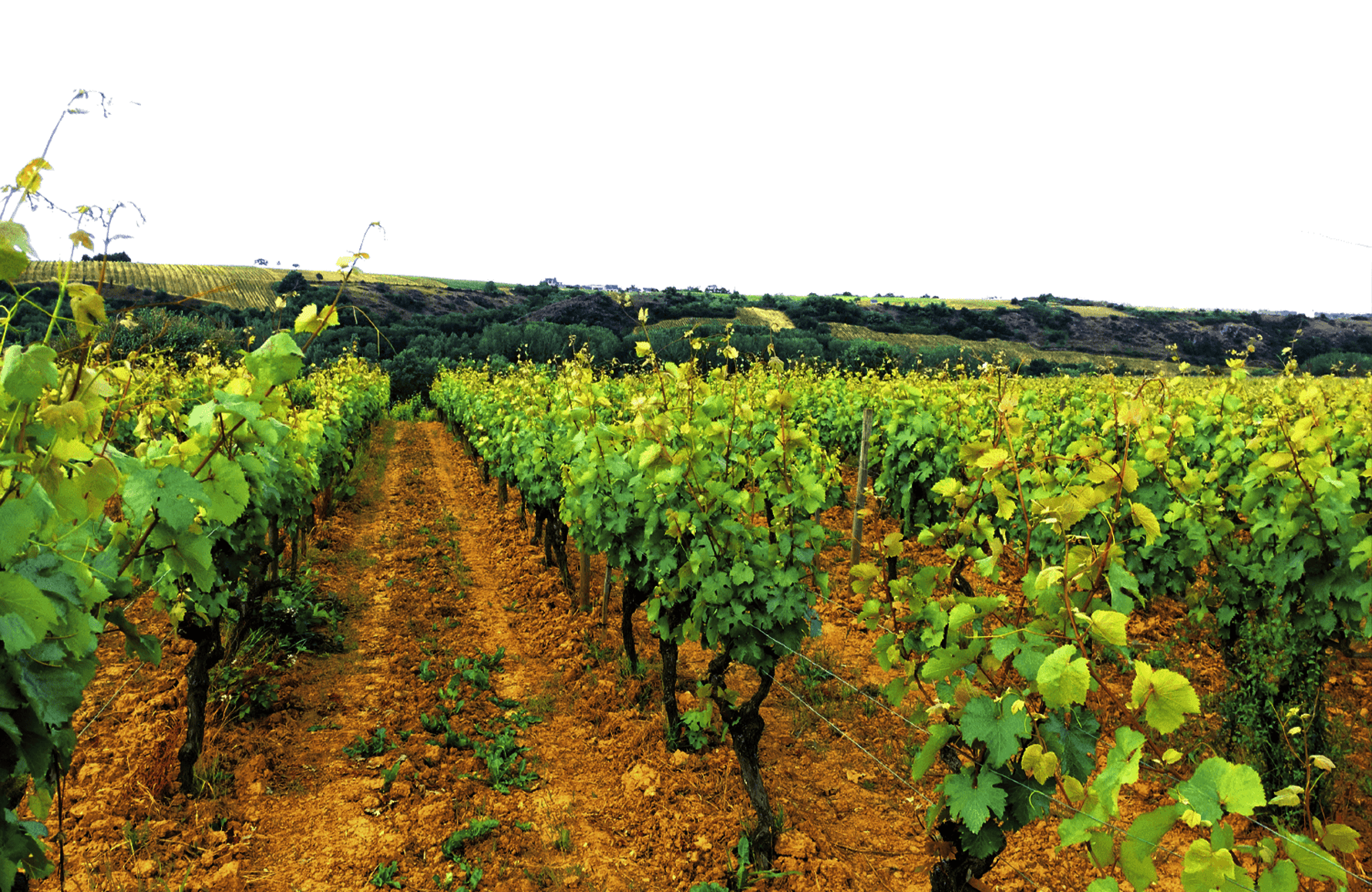
THEDomaine du Fief NoirIt is located in the heart of Anjou Noir, renowned for its unique characteristics thanks to its location east of the Armorican Massif and in the northwest of Anjou. The soil is indeed black, due to the schist that forms its subsoil. While it originally comprised only 11 hectares, today the estate's vineyard extends over30 hectareswhere Chenin, Cabernet, and Grolleau are organically grown. Very typical of Anjou, Chenin reigns supreme in theDomaine du Fief NoirThis encounter with this unique grape variety and the richness of its potential has allowed these two passionate winemakers to produce wines that express themselves with enormous freshness and minerality.
Winemaking at Domaine du Fief Noir
Two winemakers attached to the land
AtDomaine du Fief NoirIn the vineyards, work is carried out as much as possible by hand. The harvest, in particular, is done by hand to best preserve the integrity of the grapes, retain their full aromatic richness, and produce wines with a unique taste. As for vinification, it is carried out by direct pressing with a pneumatic press and juice separation. For some wines, whole-cluster maceration is required for 15 days. Fermentation takes place in stainless steel tanks with indigenous yeasts. Aging is in tanks for a minimum of three months for each wine. The Crémant is aged for 36 months on its lees.