
Montille Estate
Learn more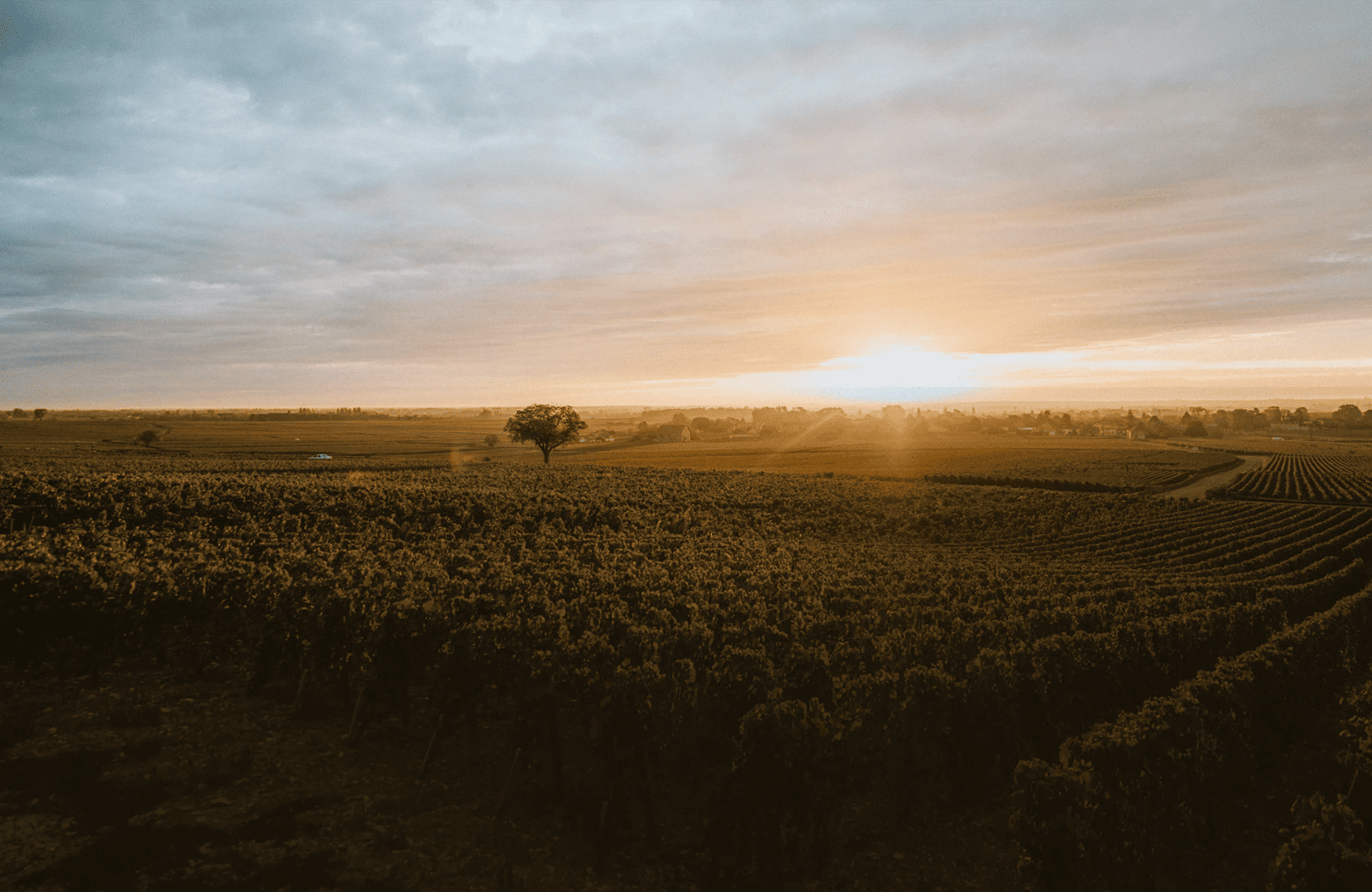
No products found
Use fewer filters or remove all
History of the Estate Montille Estate
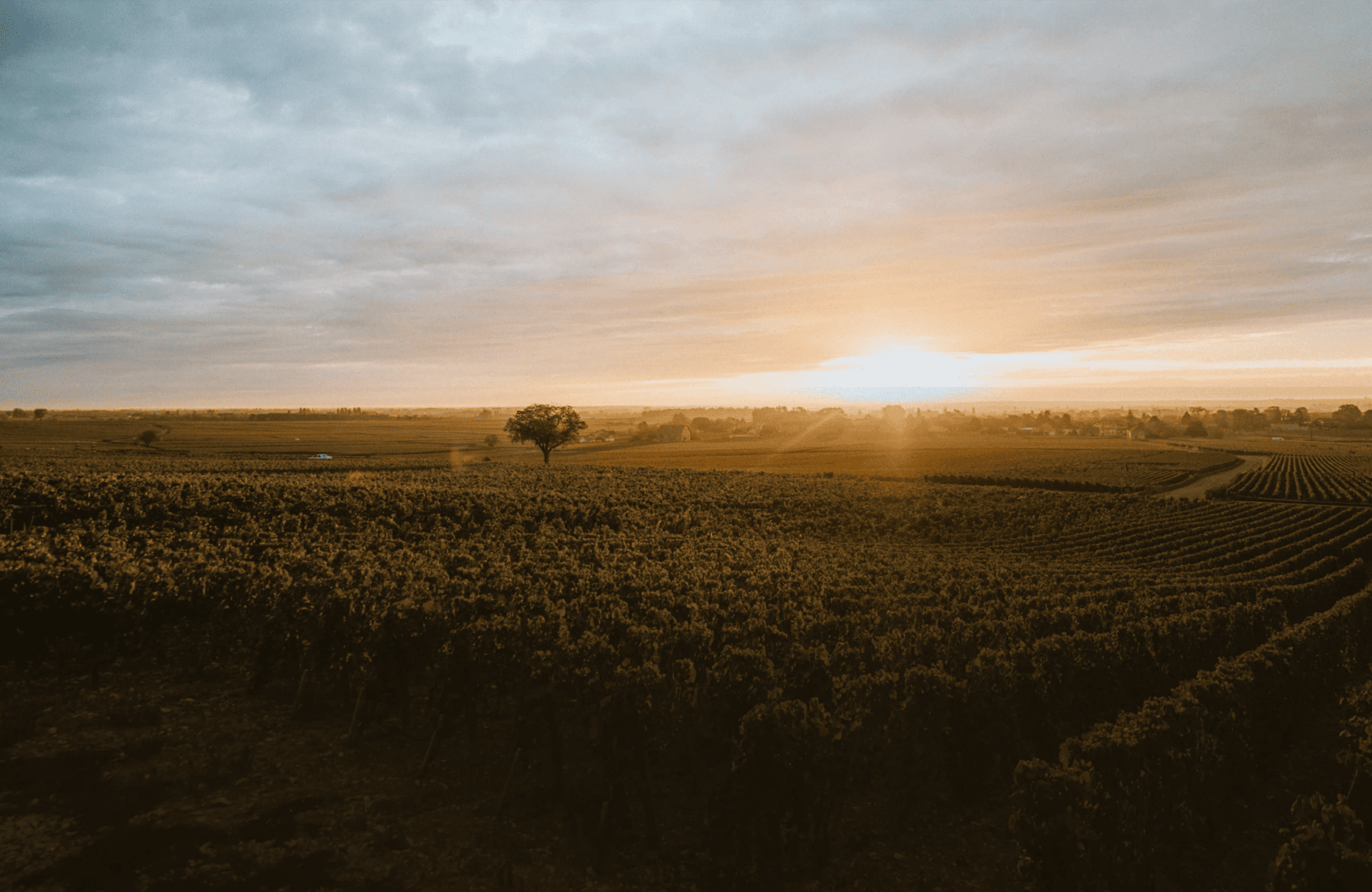
The Montille estate at the heart of history
AN ESTATE WITH A TOUGH HISTORICAL PAST
Founded before the French Revolution, the Montille estate was only named as such in 1863, upon the union betweenMarie Eléonore Chauvelot de Chevannesand ofEtienne Joseph Marie Léonce Bizouard de Montille, one of the founders of the French Farmers' Society. The estate extends across the Côtes de Beaune and de Nuits, in the small village of Volnay in Burgundy. The terroir there is exceptional.
Organic and biodynamic farming
THE MONTILLE ESTATE, A PIONEER IN VITICULTURE
Upon arrival ofHubertat the head of the Montille estate, the will torespect the local areaallowing it to fully express its personality. The wines produced are thusVery pure aromatically and elegant, with a strong personality and low alcohol content. As a result, all chemical fertilizers and herbicides were abandoned as early as 1985. In 1995, the estate converted to entirely organic farming, abandoning synthetic fungicides and insecticides. To go even further, upon the arrival of'Etienne de MontilleAt the head of the estate, production is geared towards viticulture inbiodynamics, in order to be completely in harmony with the mindset of the leaders. It seems to them essential to respect the precepts of biodynamics such as completely manual harvesting, respect for the lunar and solar calendars or the total abandonment of chemical agents in order to produce the purest wine possible.
An exceptional terroir showcased by excellent Premier and Grand Cru wines.
The wines of Domaine de Montille are highly sought after.
THEMontille estatetoday covers about twenty hectares, straddling theCôte de Beaune and Côte de NuitsApproximately 16 hectares are dedicated to red wine production, 100% Pinot Noir, and 4 hectares to white wine, 100% Chardonnay. There are nearly 20 different appellations among all the red and white wines. Of the total production, almost 75% are Premier or Grand Cru wines, which are best enjoyed as wines to age for about ten years. The white wines are known for theirhigh aromatic puritywhere privileges are givenbalance and eleganceto power and extraction.
Regarding the reds, significant efforts are being made to open up the bouquet, offering moresilky and smoothin textures, without compromising aging potential. To enjoy them at their peak, we advise you to be patient; they will need 8 to 10 years to offer you the best of their potential.