High standards and perseverance
A passion for vines since 1580
From antiquity, viticulture flourished in France, particularly thanks to waterways. The Bordeaux region quickly gained prominence due to its direct access to the ocean. Trade then allowed the region's wines to be promoted. It was during the Middle Ages that the Dutch, great wine consumers, demonstrated their fondness for sweet wine. They thus spurred the creation of dessert wines.
It was in 1580 thatNicole d'AllardmarryLeonard of SuduirautShe brought to the family estate a château that would bear her married name. Destroyed during the Fronde, Léonard's nephew had a building rebuilt. André Le Nôtre designed the gardens for this occasion. In the 18th century, the region's winemakers discovered the important role of noble rot in the production of sweet wines.
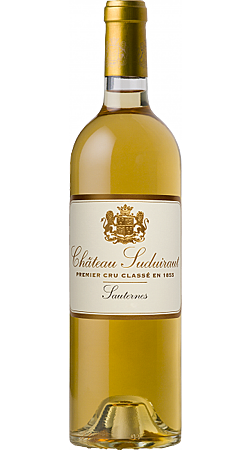
In 1855, the wine ofChâteau SuduirautIt attained the rank of Premier Cru. In 1992, the AXA Millésime company acquired the property. TodayChristian Seelywho manages the estate, supported byPierre Montégut, technical director. TheChâteau Suduirautis one of the oldest and largest in theSauternes appellationThe teams of enthusiasts are all driven by the desire to raise the profile of the estate on the international stage.
A sunny terroir
The reign of Botrytis Cinerea
If the Château encompasses 200 hectares,92 haSome of these vineyards are planted with vines. The Sémillon (90%), Sauvignon Blanc, and Sauvignon Gris vines thrive in the sandy-gravelly soils of Preignac. This gravelly terroir allows for excellent nighttime heat distribution from sunny days. Protected from extreme temperature fluctuations, each grape variety can fully express its unique characteristics. The sand, meanwhile, filters rainwater.
These wines are among thePremier Cru wines of the Sauternes appellationNot far from the Ciron River, the vineyard benefits from an ideal location for the development of noble rot, essential to the production of sweet wines. The morning dew creates the perfect conditions for Botrytis cinerea. Each plot of vines is planted with high density, which promotes competition and therefore concentrates the aromas of the grape varieties.
The vineyard practices sustainable viticulture, with regular pruning to ensure optimal sun exposure for the grapes. The vines, averaging 30 years old, are maintained manually and fertilized using organic methods.Patrick Douret,The head of cultivation makes it a point of honour to enhance this fabulous terroir for which he is responsible.
A wine that basks in the sun
The creation of one of the world's greatest wines
The grapes are harvested by hand and quite late, compared to other Bordeaux grape varieties. The aim is to harvest grapes at exceptional ripeness. A first sorting is therefore carried out in the vineyard. This isCaroline Gendry, cellar master, who is in charge of the winemaking process.
Caroline Gendry is driven by a single ambition: to make wine fromChâteau Suduirautone of the best in the world. As such, she oversees its production with meticulous attention to detail. After a second sorting upon arrival of the berries at the winery, the grapes are destemmed. Pressing then takes place slowly and gently. Fermentation occurs in barrels, which are 100% new oak. The young wines are aged for a period of 18 to 24 months.
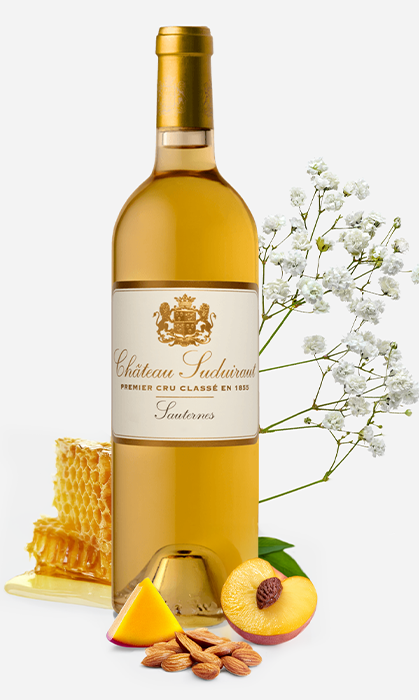
Four vintages emerged from this period. Each reveals all the specificities and complexity of a terroir. More than a tribute to the land, the wines ofChâteau Suduirautreveals the secrets entrusted to them by the sun. Between opulence and minerality, the cuvées of this sweet Premier Cru are elegant and full-bodied.