
The Great Walls Castle
Learn more
No products found
Use fewer filters or remove all
History of the Estate The Great Walls Castle
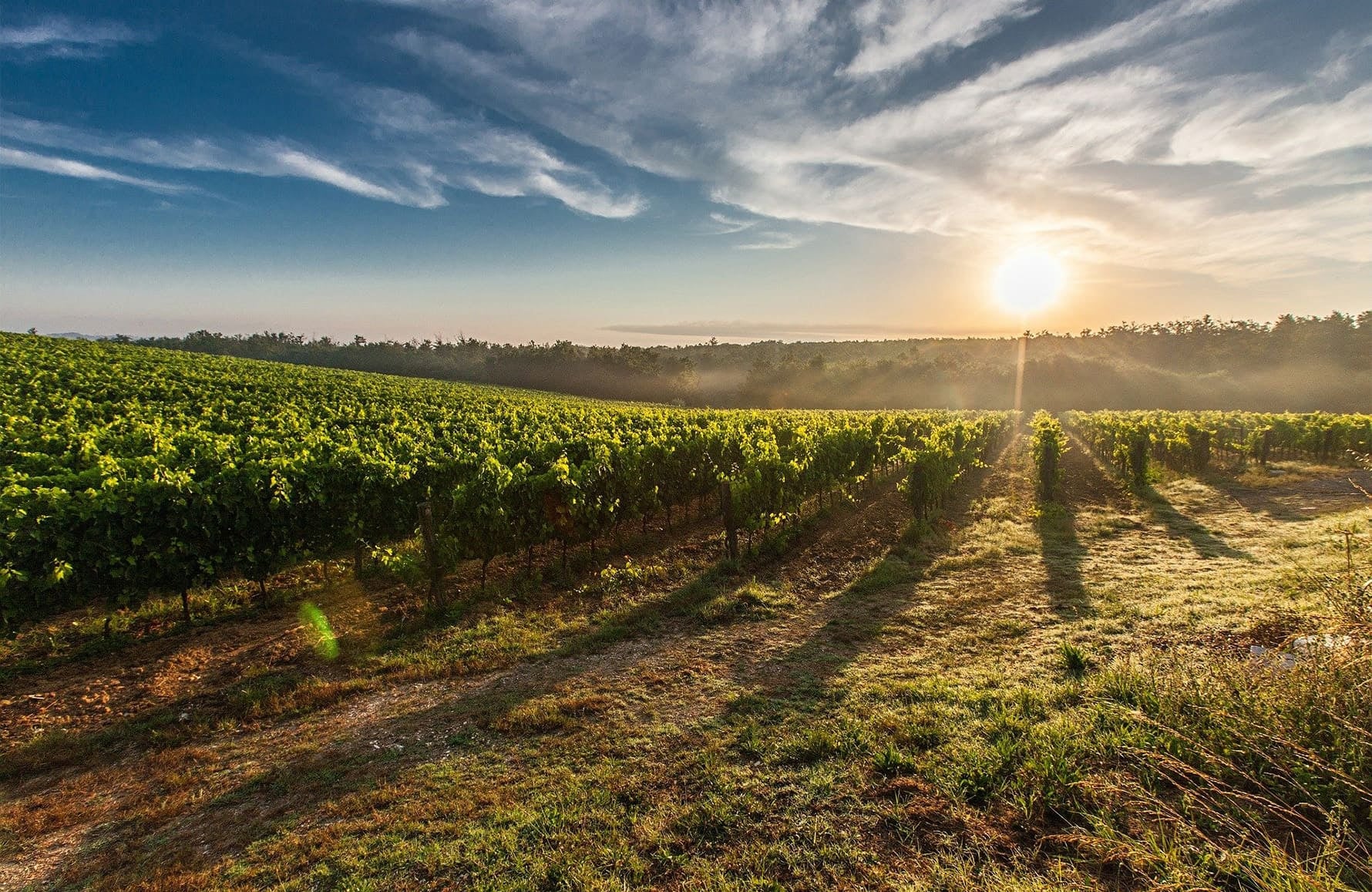
A beautiful story dating back to the Middle Ages
From Benedictine monks to the Cuvelier family
The history of the Grandes Murailles estate begins in the Middle Ages, when the Dominican order had an imposing monastery. Today, only the wall remains, marking the beginning of the vineyard.
It is atSaint-Emilionthat the Reiffers family settled in the 17th century. It wasn't until the 19th century that viticulture became central to their business. TodaySophie Fourcade, née Reiffers, is in charge of the estate. She thus inherited a vineyard steeped in history. She cultivates her grape varieties with passion, even though today, and since 2012, she is no longer the owner. Indeed, it is theCuvelier family, in the person of Matthew, who acquired the few vineyards of theCastle of the Great WallsOriginally from Northern France, the family decided to settle in the Bordeaux vineyards, notably at Clos Fourtet. It was also at this time that the Château was classified among theGrands Crus Classés of Saint Emilion.Great ambitions are attached to this field, which continues to surprise with its quality.
The reign of Saint Emilion Merlot
Two exceptional hectares
It is on the right bank of Bordeaux, in the heart ofSaint-Emilionwhere is theThe Great Walls CastleThe Merlot vines (100%) are lined up on2 hectaresThis estate's size is unusual in the Bordeaux region. The size of the vineyard thus contributes in part to its unique character. The vines benefit from a temperate oceanic climate. The village of Saint-Émilion, located near the river, enjoys a constant temperature with controlled variations. The soil is composed of both clay and limestone. The clay retains rainwater, which it then gradually releases to the vines. The limestone, for its part, contributes a great deal of minerality to the grape varieties. This balance of the two soil components allows the Merlot to express both its roundness and its freshness. It is aconventional viticulturewhich is carried out on these vines with an average age of 30 years. Each vine flourishes under the protection of the vestiges of an ancient time and waits to reveal its potential for future vintages.
Sophie Fourcade and Michel Rolland
A duo of enthusiasts dedicated to the Grand Cru Classé.
After hand-harvesting, the grapes are sorted. Fermentation and malolactic fermentation take place in temperature-controlled tanks. This stage lasts a maximum of 12 days. The young wines are then aged for 18 to 20 months. The French oak Bordeaux barrels used for these wines are 100% new. The winemaking process...The Great Walls Castletakes place out of sight, inunderground cellarsThese cellars also contribute to the unique character of the village ofSaint-Emilion.Indeed, it was during the construction of the buildings that the craftsmen extracted the stones from the cellars for their work. In doing so, they uncovered large galleries, which the cellar masters and winemakers still use today. The entire winemaking process at the Château takes place under the watchful eye ofMichel Rolland, a consulting oenologist and advocate of whole-cluster fermentation. This technique involves direct contact between the grapes and the barrel from the very beginning of fermentation. The result is powerful wines that explore a very wide aromatic range, much to the delight of wine lovers.Grands Crus Classés of Saint-Emilion.