
Jacquesson Champagne
« Je pourrais dire beaucoup de choses sur Jacquesson, à commencer par la quête presque obsessionnelle de la qualité... Mais pour moi, l’élément déterminant de l’identité de ces Champagnes réside dans un style entièrement tourné vers l’énergie et la vivacité. » — Antonio Galloni, Vinous.
Fondée en 1798, la Maison Jacquesson fait partie des très rares signatures historiques de Champagne à avoir su se réinventer en profondeur sans renier son héritage. Sous l’impulsion de la famille Chiquet, puis aujourd’hui d’Artémis Domaines, le domaine a progressivement abandonné toute logique de style uniforme pour privilégier une lecture parcellaire et millésimée de ses vins.
La philosophie est claire : produire moins, mais mieux. Les cuvées parcellaires comme les dégorgements tardifs incarnent aujourd’hui l’une des expressions les plus abouties du Champagne de terroir, avec une recherche constante d’énergie, de tension et de précision.
-
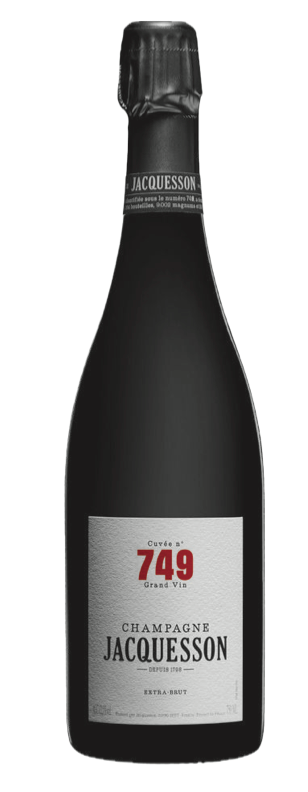
95 RVF Champagne Jacquesson - Cuvée n°749 - Champagne Extra Brut
Champagne • Champagne Extra Brut • Blanc
Regular price 72,00€ tax includedSale price 72,00€ tax included Regular priceUnit price 72,00€ / unit -
- Free shipping 🚚
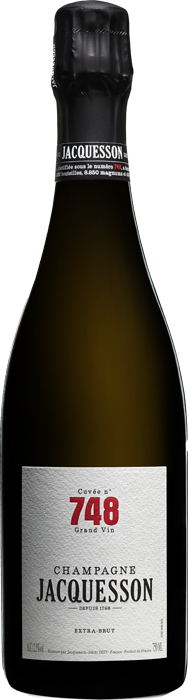
Champagne Jacquesson - Cuvée N°748 - Champagne Extra Brut
Champagne • Extra Brut Champagne • White
Regular price 420,00€ tax includedSale price 420,00€ tax included Regular priceUnit price 70,00€ / unit0,00€ -
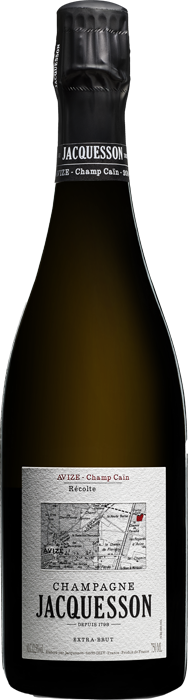
95 V Champagne Jacquesson - Avize Champ Caïn 2014 - Champagne Grand Cru
Champagne • Grand Cru Champagne • Grand Cru • White
Regular price 215,00€ tax includedSale price 215,00€ tax included Regular priceUnit price 215,00€ / unit0,00€ -
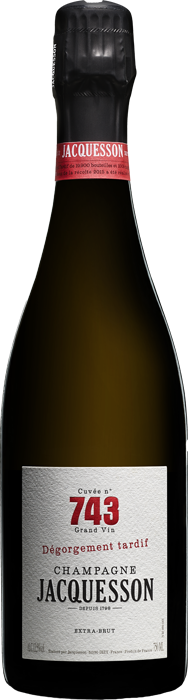
Champagne Jacquesson - Cuvée N°743 DT - Champagne Extra Brut
Champagne • Extra Brut Champagne • White
Regular price 115,00€ tax includedSale price 115,00€ tax included Regular priceUnit price 115,00€ / unit0,00€ -
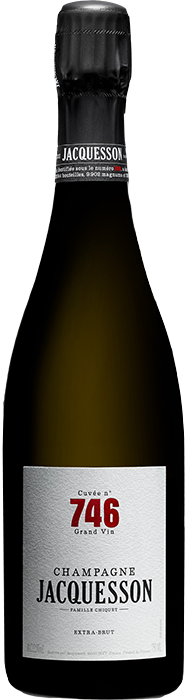
92 RVF - Free shipping 🚚
Champagne Jacquesson - Cuvée 746 NM - Champagne Extra Brut
Champagne • Extra Brut Champagne • White
Regular price 427,50€ tax includedSale price 427,50€ tax included Regular priceUnit price 71,25€ / unit -
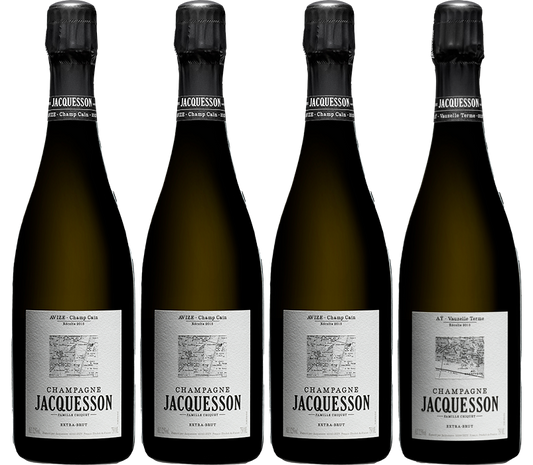
- Free shipping 🚚
1 x Ay Vauzelle Terme NM) - Champagne
Champagne • Champagne • White
Regular price 840,00€ tax includedSale price 840,00€ tax included Regular priceUnit price 210,00€ / unit0,00€ -
96 V Champagne Jacquesson - Avize Champ Cain 2013 - Champagne Grand Cru
Champagne • Grand Cru Champagne • White
Regular price 180,00€ tax includedSale price 180,00€ tax included Regular priceUnit price 180,00€ / unit0,00€ -
Champagne Jacquesson - Avize Champ Cain 2015 - Champagne Grand Cru
Champagne • Champagne Grand Cru • Blanc
Regular price 210,00€ tax includedSale price 210,00€ tax included Regular priceUnit price 210,00€ / unit -
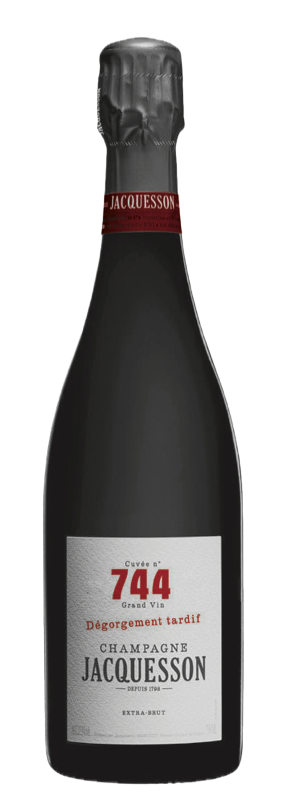
Champagne Jacquesson - Cuvée n°744 DT - Champagne Extra-Brut
Champagne • Champagne Extra Brut • Blanc
Regular price 110,00€ tax includedSale price 110,00€ tax included Regular priceUnit price 110,00€ / unit -
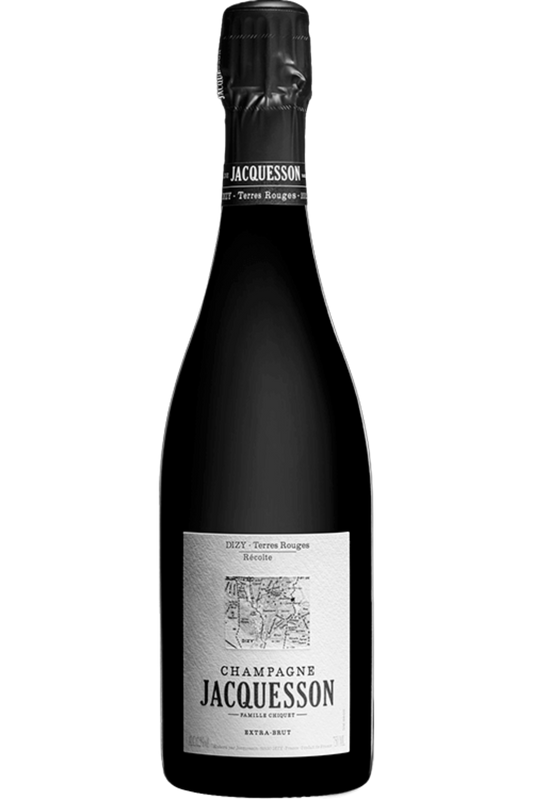
97 JS Champagne Jacquesson - Dizy Terres Rouges 2014 - Champagne Grand Cru
Champagne • Champagne Grand Cru • White
Regular price 160,00€ tax includedSale price 160,00€ tax included Regular priceUnit price 160,00€ / unit -
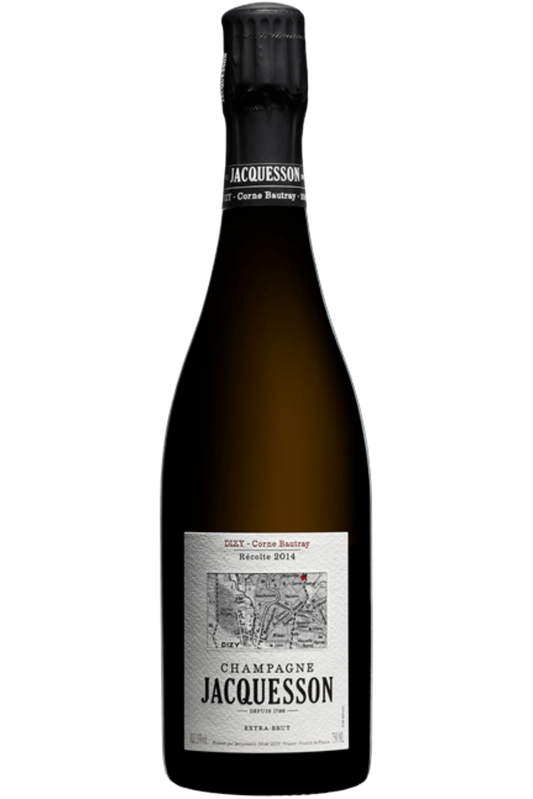
96 V Champagne Jacquesson - Dizy Corne Bautray 2014 - Champagne Grand Cru
Champagne • Champagne Grand Cru • White
Regular price 200,00€ tax includedSale price 200,00€ tax included Regular priceUnit price 200,00€ / unit -

Champagne Jacquesson - Cuvée 747 - Champagne
Champagne • Champagne • White
Regular price 165,00€ tax includedSale price 165,00€ tax included Regular priceUnit price 55,00€ / unit

History of the Estate Jacquesson Champagne

The nearby areas