Families that make history
The influence of the nobility since the 17th century
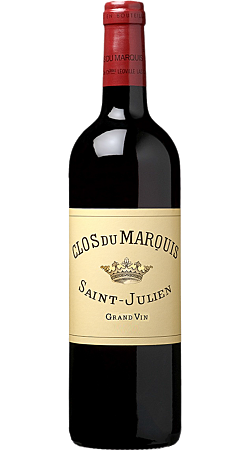
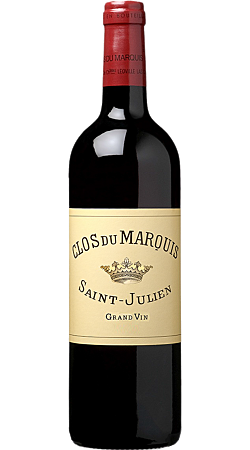
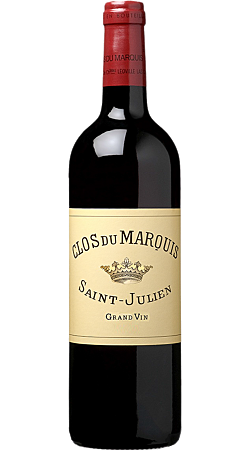
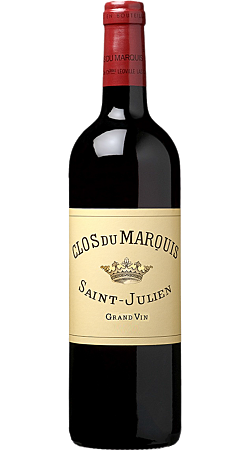
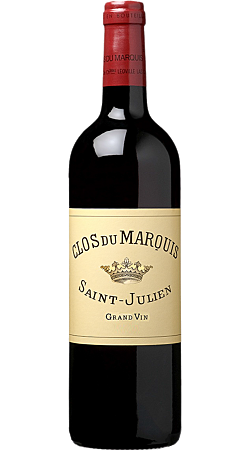
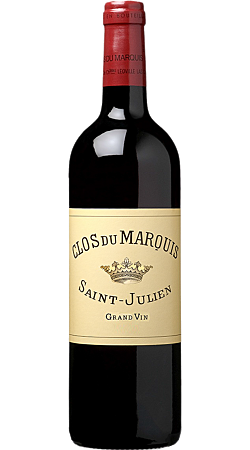
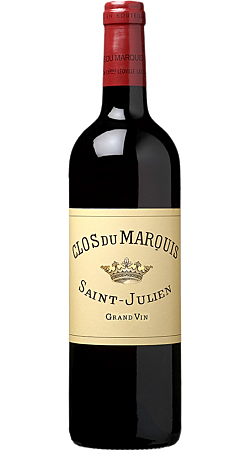
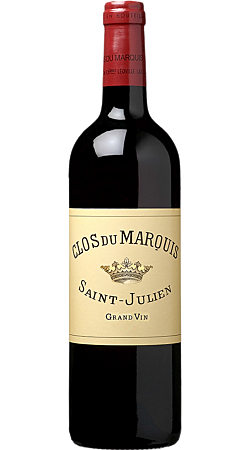
The story ofClos du Marquisis linked to that of the adjoining castle:The Léoville CastleIt was in the 17th century that theMount MaytiéIn the middle of the century, the estate owner married Lord Léoville, Blaise Antoine Alexandre de Gasq. He then gave his name to the estate. He greatly influenced its history by contributing to its expansion and renown. To this end, he purchased numerous vineyard plots and had the winery built. At his death in 1769, the property comprised 300 hectares. During the French Revolution, the family's assets became public property. In 1840, the Château was acquired by theMarquis de Las CasesHe will ensure the development of the vineyard's activity. In homage to this man who did so much for the estate, the Clos adjoining Château de Léoville will bear his name. Created in 1902, it is often confused with the Château's second wine. Under the initiative of Théophile Skawinski, in charge of the estate, the Clos du Marquis aims to be a snapshot of the very particular terroir ofSaint-Julien. The teams are making a lot of effort to reveal all the unique characteristics of these vines.
Today is theDelon family, notablyJean-Hubert Delonwho is in charge of the estate. He and his sister make it shine,Geneviève d'Alton, the Clos du Marquis and La petite Marquise, second wine of the Clos.
A vineyard in Saint Julien
The smallest appellation for a great wine
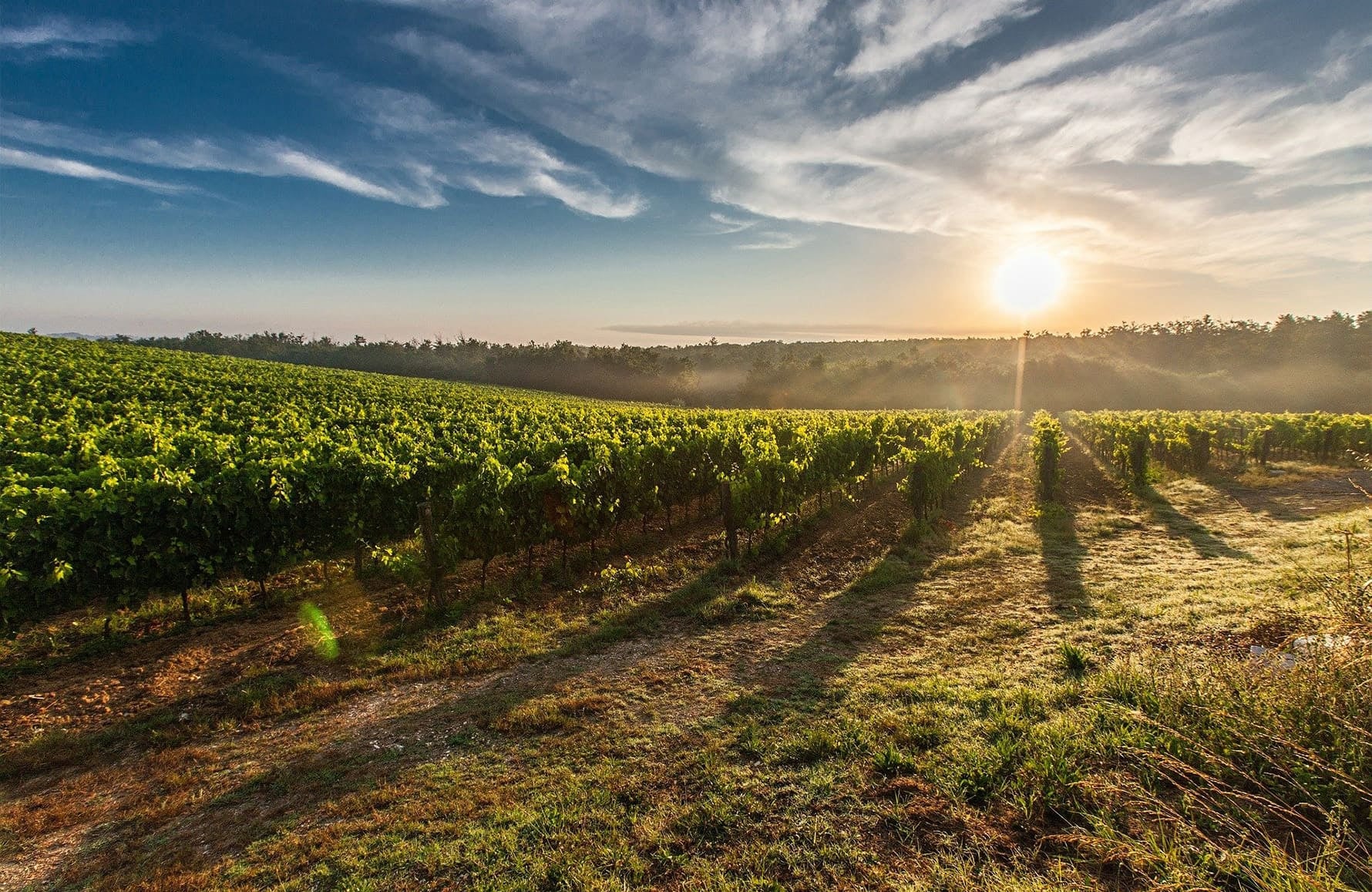
It's on the left bank of the Bordeaux region, in the appellationSaint-Julien-Beychevellewhere is theClos du MarquisNot far fromChâteau Léoville Las CasesIt boasts numerous unique characteristics. This Clos enjoys a temperate, oceanic climate. The vineyard covers 45 hectares and thrives in seclusion. The vines, composed of Cabernet Sauvignon (67%), Merlot (32%), and Cabernet Franc (1%), have an average age of 40 years. Low walls protect them and delineate the estate, while further on, the Gironde estuary moderates the weather and climate.
Saint-JulienAs the smallest appellation in the Médoc, Clos du Marquis allows us to reveal, in detail, all the specific characteristics of thisterroir of Quaternary gravelsThese methods ensure that the day's heat is retained throughout the night. The vines therefore do not experience significant temperature fluctuations. In this way, each grape cluster can fully develop and concentrate its terroir's aromas. The vineyard is cultivated according to the principles of...sustainable viticultureThe vines have the distinction of offering later harvests than those of Château Léoville Las Cases, located further east.
The gradual rise of Clos du Marquis
The production of a complex and structured wine
After a harvest carried out by hand by the vineyard teams managed byGaël GrignouxThe wines are meticulously sorted. The winemaking process is carried out byBruno RollandThe grapes are then placed in three types of containers for fermentation and maceration. Wood, cement, and stainless steel are all materials that allow the grape varieties to express themselves. Aging then takes place in the cellars of theChâteau de Léoville Las CasesThese are oak barrels, 25% of which are new, which house the wines for a maximum of 18 months. The varying barrel sizes ensure thorough aging of the wines. The cuvées will reveal different characteristics depending on whether they mature in small or large barrels. Fining is carried out before blending and bottling.
These are wines of aimpeccable qualitywhich emerge from this winemaking process. TheClos du Marquisand theLittle Marquiseare the two wines offered by the estate. They both offer consumers a tasting experience under the banner of...harmonyand of thecomplexityThese wines aretailored for the guardand continue to win the hearts of fans ofBordeaux wines.