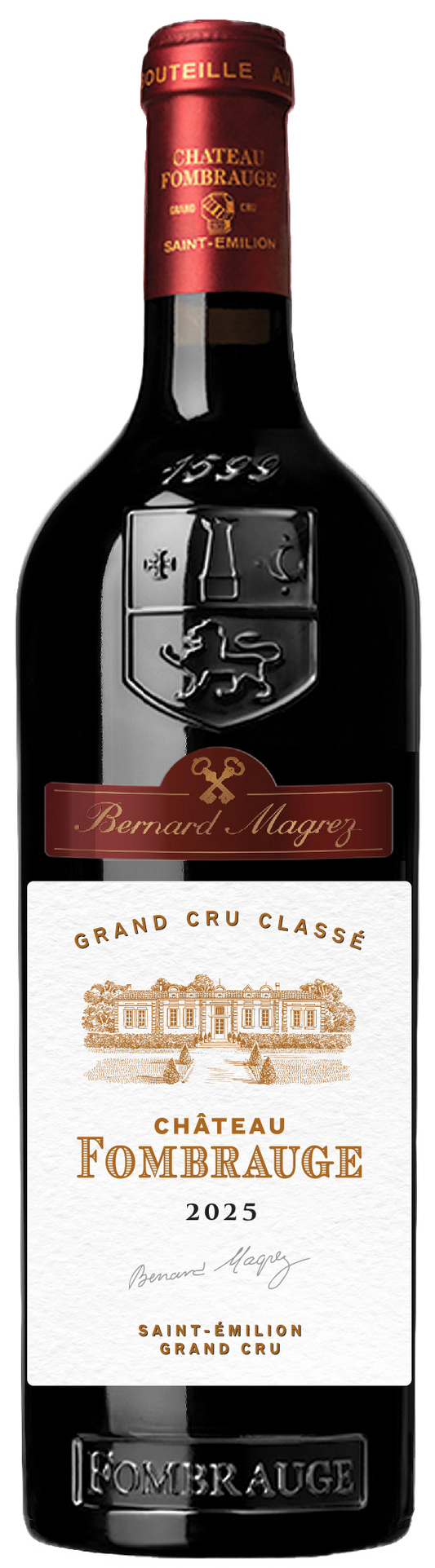
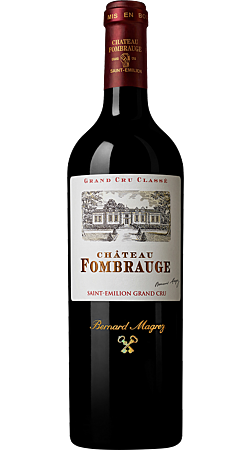
Château Fombrauge, since the 15th century
The story of three families
“A spring surrounded by bushes and heather” is the meaning of the name of theChâteau Fombrauge, derived from the expression "fons brogiera". It is therefore hidden from view, in the heart of flamboyant nature, that the vine of this beautiful castle grows.
The story ofChâteau FombraugeIts history began in 1466, when squire Jacques de Canolle declared himself lord of the manor. In the 16th century, the Carthusian monastery appeared on the Saint-Émilion plateau. Initially, the religious orders maintained the vineyards, which had been established in 1613. The building later became the property of Bordeaux nobles who dedicated themselves to developing and marketing the estate's wine.
Until the Revolution, the Dumas family was responsible for the renown of the wines produced at the château. Following the events of 1789, the Taffard family took over the management of Château Fombrauge. Thanks to the family's efforts, the wines won a gold medal at the Universal Exhibition. In 1999,Bernard Magrezacquires the property and breathes new life into it, through renovation and a complete reorganization of the estate. Fombrauge offers wines that connectmodernity and tradition.
The largest vineyard in Saint-Emilion
The vineyard, amidst the heather and bushes
Located on the appellationSaint-Emilion, THEChâteau FombraugeIt occupies three different communes. Between Saint-Christophe-des-Bardes, Saint-Hippolyte and Saint-Etienne-de-Lisse, the 56.6 hectare vineyard is one of the largest in the appellation.
The clay and limestone terroirs on limestone with asterias host vines of merlot, cabernet franc, cabernet sauvignon, malbec, semillon.
Because the vineyard is particularly extensive, the soils are quite heterogeneous in composition. The exposure also varies. The château's teams practice intra-plot viticulture, aided by drones and mapping systems. This use of technology ensures both high-quality grapes and environmental protection by eliminating the unnecessary use of products on the vines. While the teams employ modern methods to manage their vineyards, the viticultural techniques remain traditional. Plowing is done using animal traction, and the harvest is done by hand.
These efforts are paying off, since the wines produced atChâteau Fombraugeare elevated to the rank ofGrand Cru Classés of Saint-Emilion.
Goldsmith's expertise
Elegant and powerful wines
Thanks to the efforts made upstream on theland managementAt the estate, winemaking takes place in complete serenity. Indeed, after sorting on a table, one before and the other after destemming, the grapes are received in wooden, concrete, stainless steel vats and terracotta jars for a pre-fermentation maceration, between 4 and 8 days.
These different containers allow the expression of all the specific characteristics of the grape varieties, depending on how they react to the material. The terracotta jar, for example, allows for a real exchange between the wine and the outside, while stainless steel ensures rigorous temperature control.
Maceration lasts between 26 and 32 days, depending on the grape variety. Aging takes place over 18 months. 45% of the oak barrels are new.Michel Rollandwho assists the cellar master,Martial Rousset, for the blending of the wines. Four cuvées, one white and three red, are offered by the estate.
During the tasting, the wines ofChâteau Fombraugeoffers red wines that are fresh, supple and refined, and white wines that are undeniably charming and powerful.